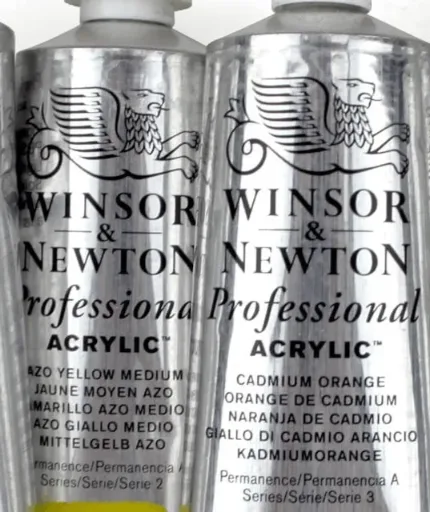
For my acrylic paintings, I work almost exclusively with Winsor & Newton Professional Acrylic Colours. Their smooth application, rich pigmentation, and excellent lightfastness make them perfect for creating bold, expressive pet and people portraits.
Once the painting is complete, I use a professional archival finishing system to ensure longevity and protection:
This keeps the colours vibrant and the artwork protected for many years.
I paint on Winsor & Newton Professional Canvas, constructed with kiln‑dried stretcher bars and their pro‑stretcher™ system, ensuring a perfectly tensioned and durable painting surface.

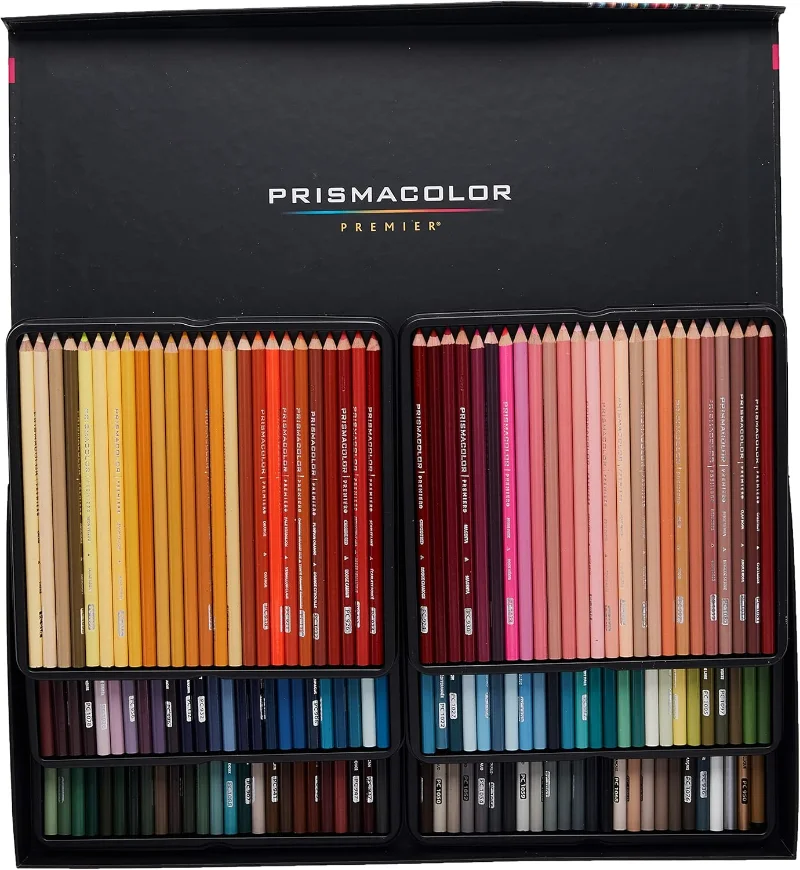
For coloured pencil work, I combine two professional-grade pencil ranges:
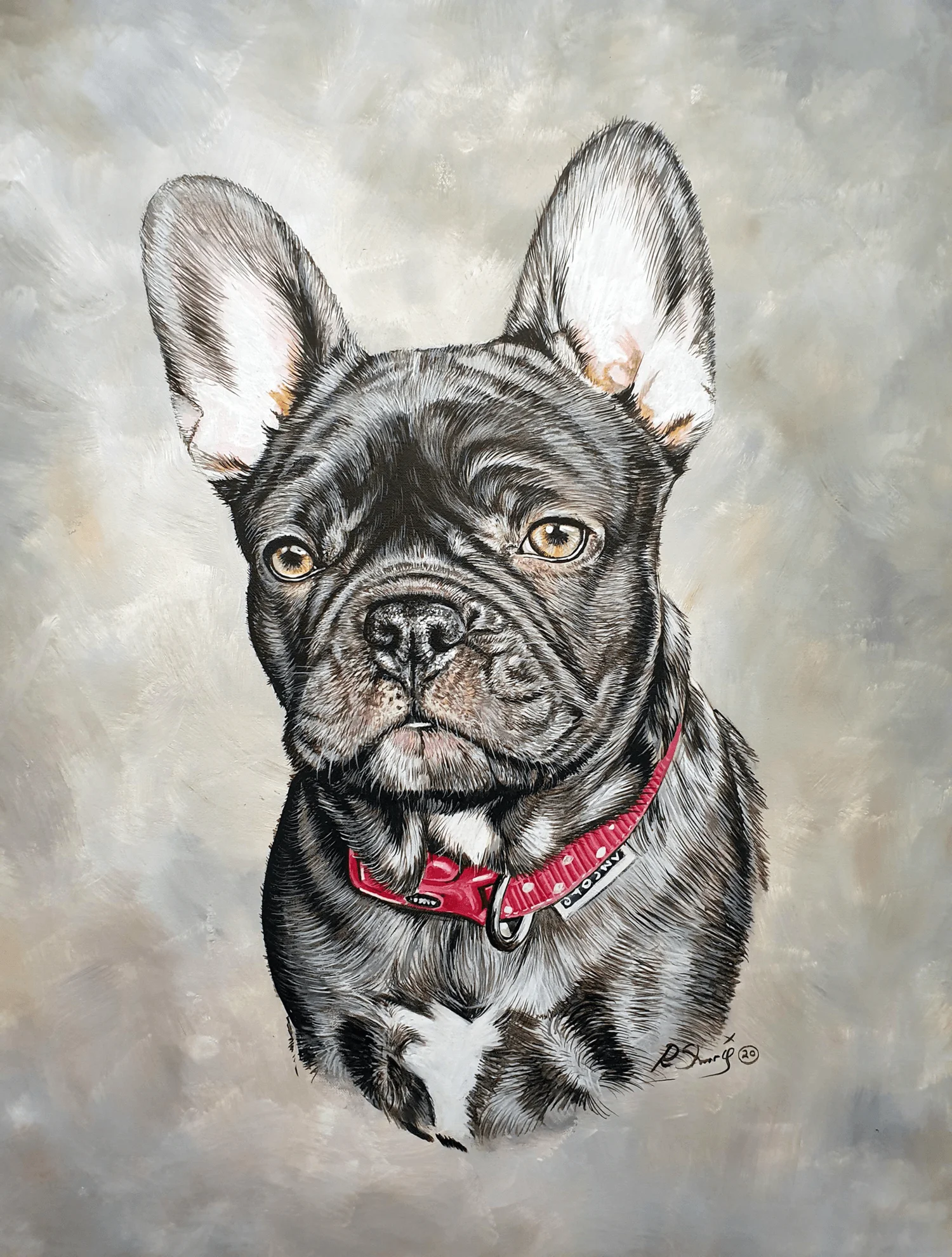
Together, these pencils allow me to build multiple layers of depth, capturing realistic fur textures, bright eyes, and fine detail in dog, cat, horse, and people portraits.
During the underpainting and early colour stages, I use Zest‑It Pencil Blend to:
This is applied using blending stumps, which allow for controlled, subtle blending without damaging the paper.
I choose Prismacolor Premier and Derwent Lightfast because together they give me the perfect balance of softness, richness, and durability—everything I need to create highly detailed pet and people portraits.
Prismacolor pencils have a creamy, soft core that blends effortlessly and lays down colour smoothly. This softness allows me to build multiple layers, create delicate fur textures, and achieve smooth gradients in short-haired pets and expressive eyes. Their ability to blend seamlessly is ideal for creating lifelike realism.
Derwent Lightfast pencils add archival reliability and intense pigmentation to my work. They are designed to resist fading over time, which is essential for commissioned portraits meant to last a lifetime. Their slightly firmer core complements Prismacolor perfectly, helping me add sharper details and maintain vibrant colour definition.
By combining the strengths of both brands, I can achieve:
This blend of softness and strength gives me the control I need for realistic fur, expressive eyes, and subtle facial details—whether I’m drawing dogs, cats, horses, or people.


For graphite portraits — particularly people — I work with a mixture of:
The combination gives me complete control over smooth tonal transitions, soft skin rendering, and ultra-fine detailing.
To create crisp, clean highlights in graphite, I use Winsor & Newton Medium Putty Rubbers, which allow me to:


I use Stonehenge Fine Art Paper for the majority of my coloured pencil and graphite work. This paper has a 100% cotton base with a soft vellum texture, allowing multiple layers, subtle shading, and detailed rendering.


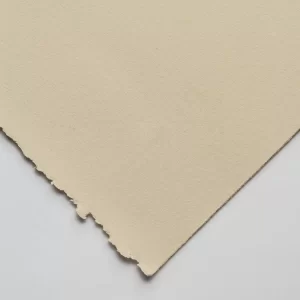
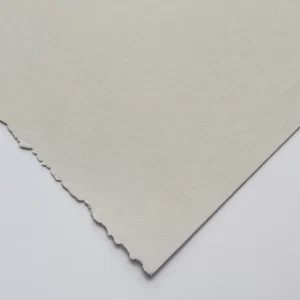
Stonehenge paper was introduced in 1974 as an affordable 100% cotton alternative to high‑end European art papers. Its smooth, vellum-like surface quickly made it popular with artists in many mediums.
It’s especially valued in coloured pencil work because it can handle many layers of wax‑based and oil‑based pencils without buildup, which is why it’s widely used by members of the Colored Pencil Society of America. Stonehenge is also extremely stable, making it reliable for screen printing and other fine art processes.
Over four decades later, with expanded colours, pads, rolls, and journals, Stonehenge remains a versatile, archival, and affordable professional art paper.
Graphite creates timeless, classic black‑and‑white portraits. It’s ideal for:
I recommend graphite especially for people portraits, including children, couples, and memorial pieces. It can also be a beautiful choice for horses, dogs, and cats if you prefer a clean, monochrome style.
Coloured pencil is my most popular choice for dogs, cats, and horses. It’s perfect for capturing:
Because coloured pencil builds beautifully in layers, it works well for both short‑haired and long‑haired animals. It can also be used for people portraits when a gentle, detailed look is required.